
Search
In this report, we explore the relationship between student wellbeing, school engagement, and academic achievement.
The aim of the WEC is to help teachers, school leaders and policy makers better understand and support the wellbeing and engagement of their students.
The goals of the current study were to identify different trajectories of sadness from Grade 6 to 9 in Australian school students, and to explore the role that social support from school, teachers, friends and families play in supporting students’ mental health.
It has been well established that children's development at school entry is associated with their later academic achievement, but less is known about whether there is also an association with other measures of school success, such as students' social and emotional wellbeing.
The Healing Kids, Healing Families team strives to understand how trauma and adverse circumstances can impact a child and their family, and how we can help them to recover from these experiences.
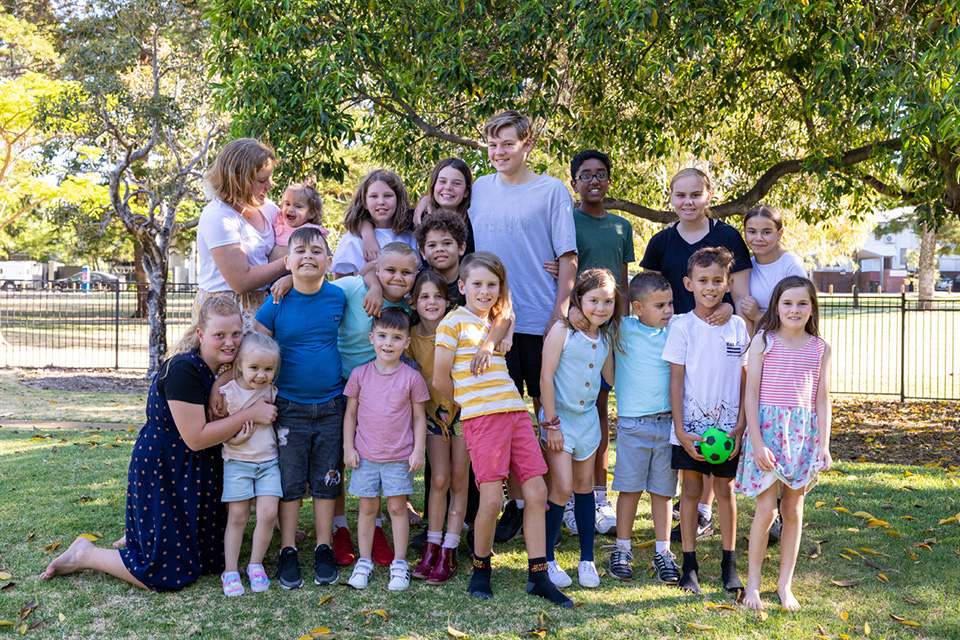
The Human Development and Community Wellbeing (HDCW) Team focuses on improving outcomes for children, family, and the community.
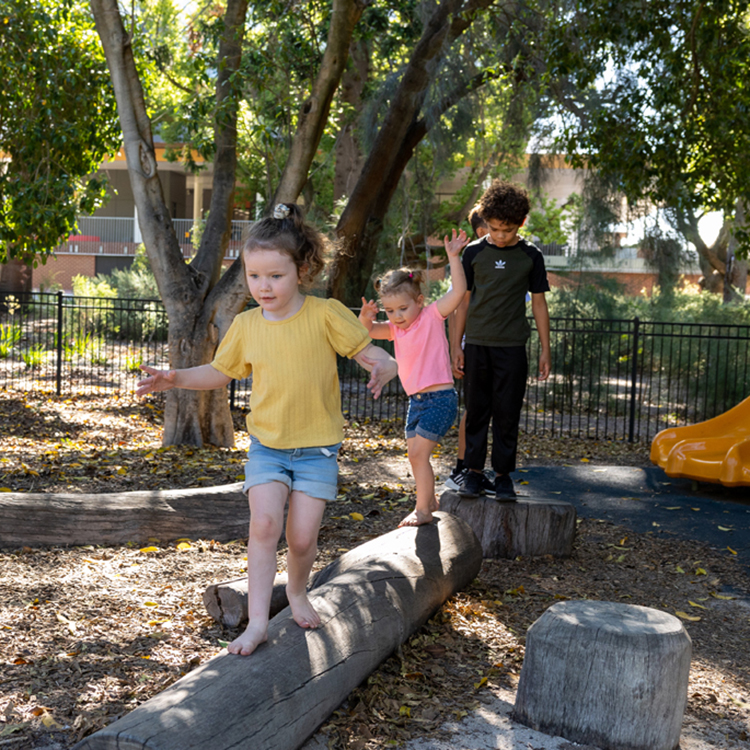
PAHL researchers use their expertise in motivation, behaviour change, resilience, communication, teamwork, confidence, and leadership to develop programs and services that improve people’s physical and mental health.

Gender dysphoria is experienced differently by everyone. Here are some ideas that could help trans and gender diverse young people cope with dysphoria.

Discover what drives us as an organisation. Learn about history and the impact of the Institute along with the amazing ambitious goals we've achieved so far in the field of children's research.
In 2018, an independent panel of world-leading researchers undertook a Scientific Review of the Institute.