
Search
The majority of Australian children exceed the World Health Organization's recommended dietary intake of free sugar, particularly through the consumption of sugar-sweetened beverages. Front-of-pack nutrition labels increase perceived risk and deter the consumption of sugar-sweetened beverages.
Early onset Non-Communicable Diseases (NCDs), including obesity, allergies, and mental ill-health in childhood, present a serious and increasing threat to lifelong health and longevity. The ORIGINS Project (ORIGINS) addresses the urgent need for multidisciplinary efforts to understand the detrimental multisystem impacts of modern environments using well-curated large-scale longitudinal biological sample collections.
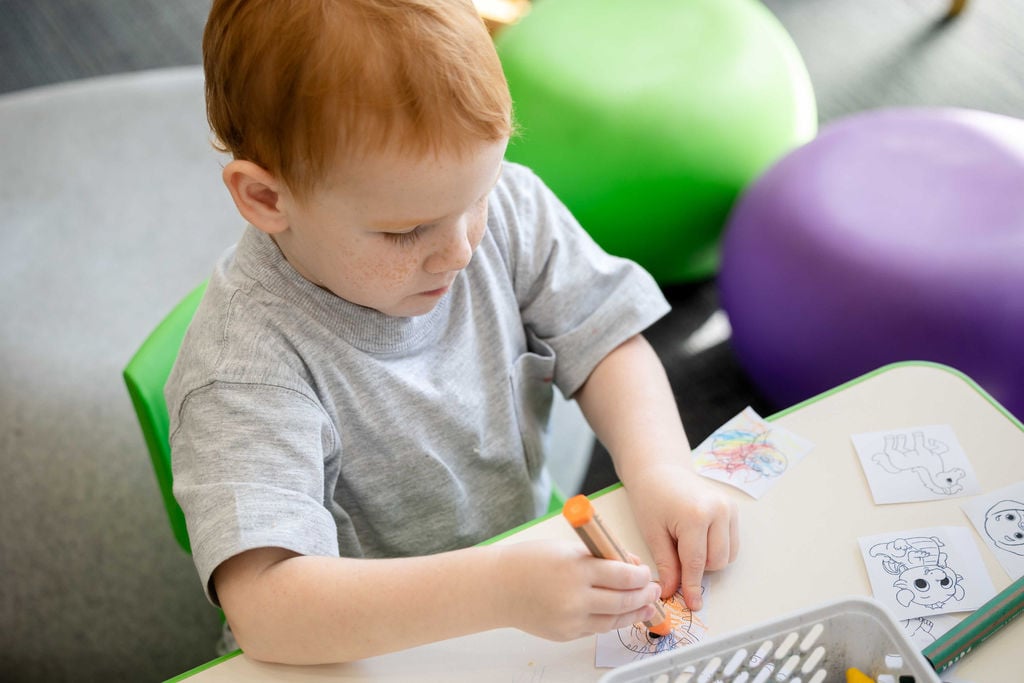
A child's brain undergoes massive change in the first few years of life, forming millions of new neural connections. They must quickly learn how to function in the world.

new research at The Kids Research Institute Australia will look at the diets of mums to see if regularly eating more eggs or peanuts during pregnancy and while breastfeeding

Not only are cooked eggs perfectly safe to eat during pregnancy, they are also a great way to boost nutrient intake for both mums and bubs.
The current narrative surrounding children’s health and wellbeing often focuses on adversity and dysregulation with a lack of positive messaging. However, promoting protective and buffering factors may be as important as reducing adverse exposures. While the concept of flourishing is commonly applied in the context of adults, defining what flourishing means for children in current academic literature remains unclear.
Desiree Dr Jackie Susan Lisa Zenobia Silva Davis Prescott Gibson Talati MBBS, FRACP, MPH, PhD BSc (Hons), PGradDipHlthProm, PhD MBBS BMedSci PhD

Eight The Kids Research Institute Australia researchers are among those who have received grant funding from the Telethon-Perth Children’s Hospital Research Fund (TPCHRF).
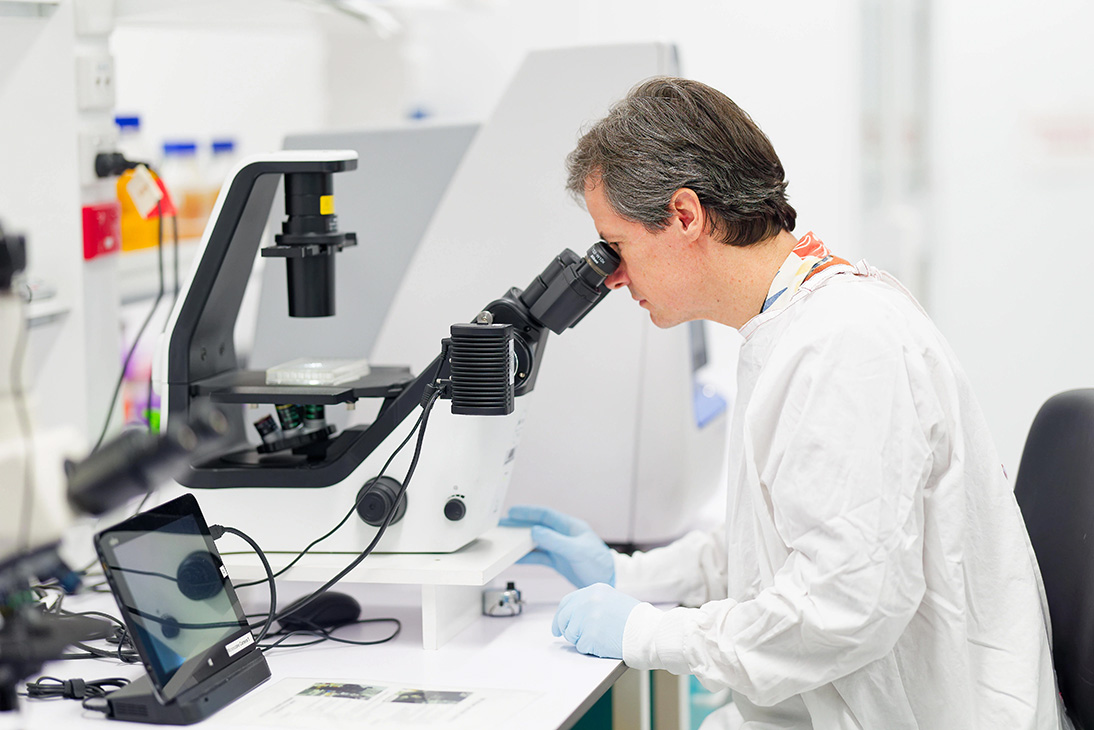
At The Kids Research Institute Australia, we've been thinking of the kids for 35 years. We are finding the answers to some of the biggest problems facing the health and wellbeing of children and families. Our Research Themes host defined programs of work where the Institute has clear strengths and capacity. Our overarching commitment to First Nations Health and Equity is embedded across all our work and features as a core consideration in each Research Theme. The Institute is committed to ending the disparity in health and wellbeing outcomes between Aboriginal and non-Aboriginal kids and families.
The science that interprets the way nutrients and other substances in food affect maintenance, growth, reproduction, health and disease.