
Search
Assisted reproductive technologies (ART) cover a range of methods used to help couples with fertility problems achieve pregnancy, including in-vitro fertilisation (IVF).
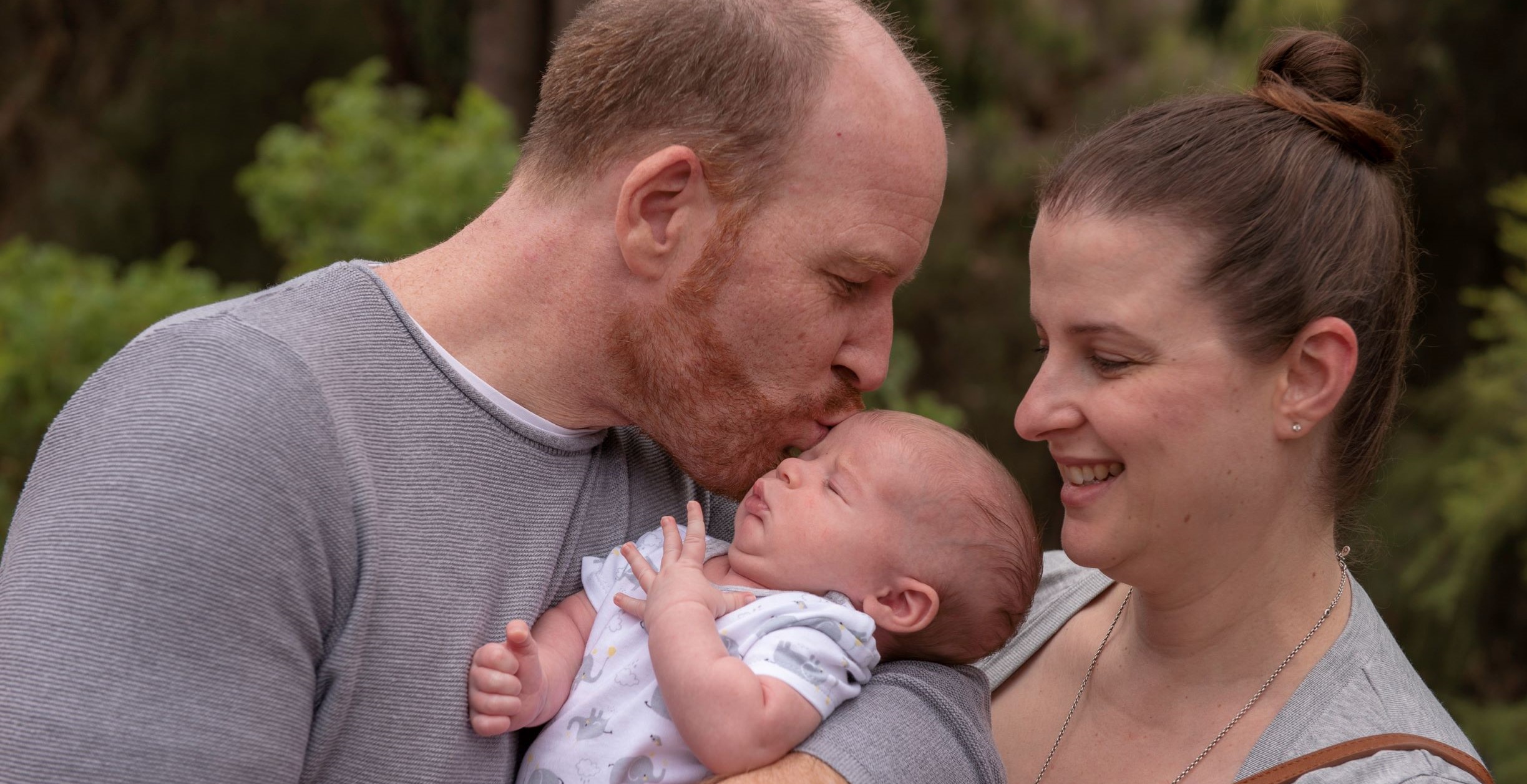
Despite major advances in science in recent years, many Australians still don't understand the magnitude and importance of early years development to a child's life journey.

Discover more about some of the broad topics and areas of research that The Kids Research Institute Australia are involved in.
It's normal for children and teenagers to experience a range of emotions, including sadness, however childhood depression is more than just feeling sad.
Characterised by varying degrees of difficulties in communication skills and social abilities, one in every 100 individuals will have a diagnosis of an autism spectrum condition. While autism is known to run in families, the exact causes remain unknown.
One in eight children have asthma, a chronic disease of the airways in the lungs. It results in shortness of breath, chest tightness, wheezing and coughing.
Bronchiolitis is a respiratory infection, usually occurring in babies under six months of age. It causes them to wheeze and can lead to pneumonia. Researchers are focusing on vaccines against the virus which commonly causes it.

Three hundred and fifty million people live with an undiagnosed disease worldwide and three quarters of them are children.
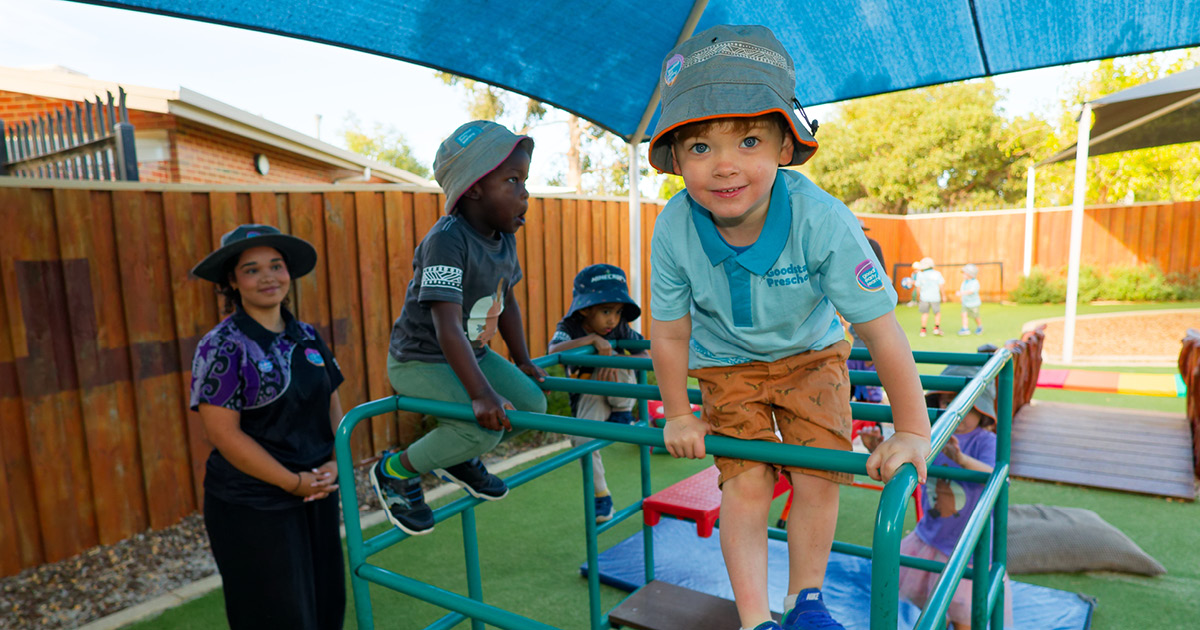
More than 80,000 Australian children are expected to benefit from a trial being rolled out to 700 childcare centres across the country that aims to boost declining physical activity levels.
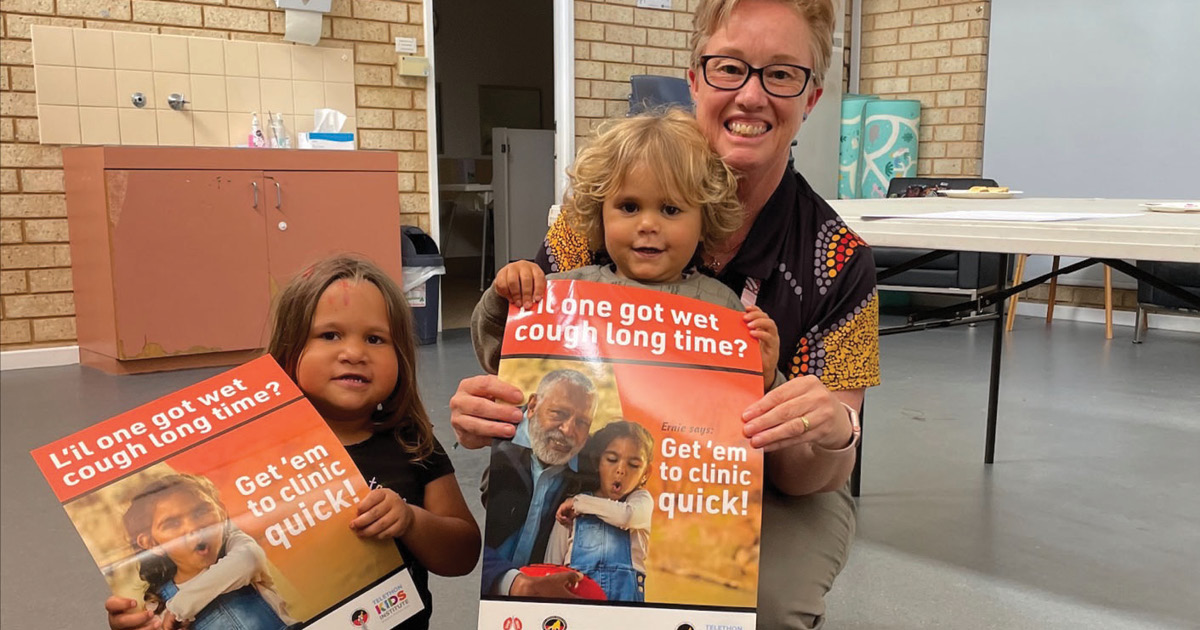
A program aimed at raising awareness of the dangers of a chronic wet cough in Aboriginal children has been extended to 14 remote and regional towns in Western Australia - thanks to a partnership between The Kids Research Institute Australia and Cystic Fibrosis WA.