
Search

Discover more about some of the broad topics and areas of research that The Kids Research Institute Australia are involved in.
It's normal for children and teenagers to experience a range of emotions, including sadness, however childhood depression is more than just feeling sad.
Melanoma, also known as malignant melanoma, occurs when abnormal skin cells multiply rapidly in an uncontrolled way.
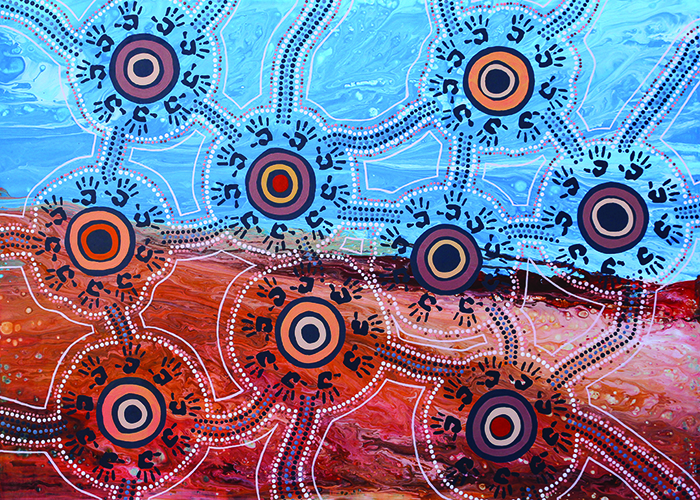
More than 3,000 skin checks have been undertaken as part of a large clinical trial in WA’s Kimberley region aimed at halving the burden of skin sores in school-aged Aboriginal children.
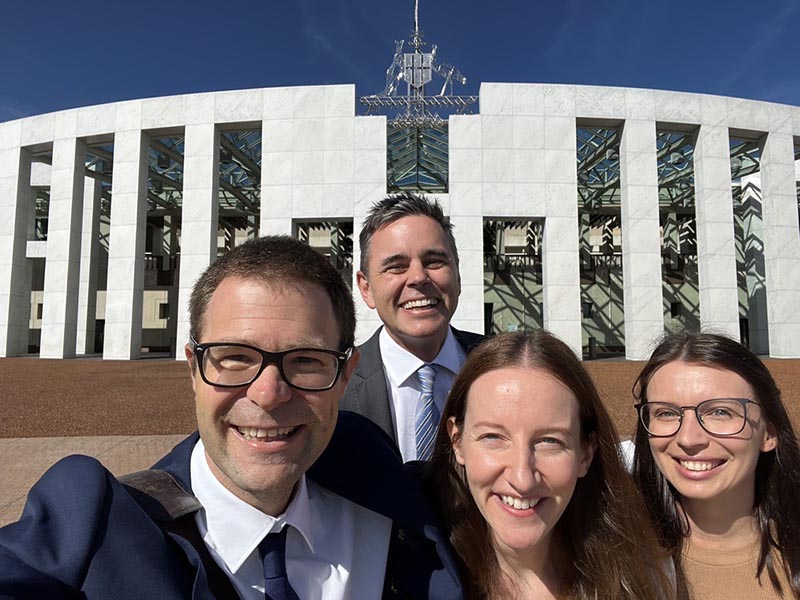
Australia’s first national guideline for supporting the learning, participation and wellbeing of autistic children and their families.
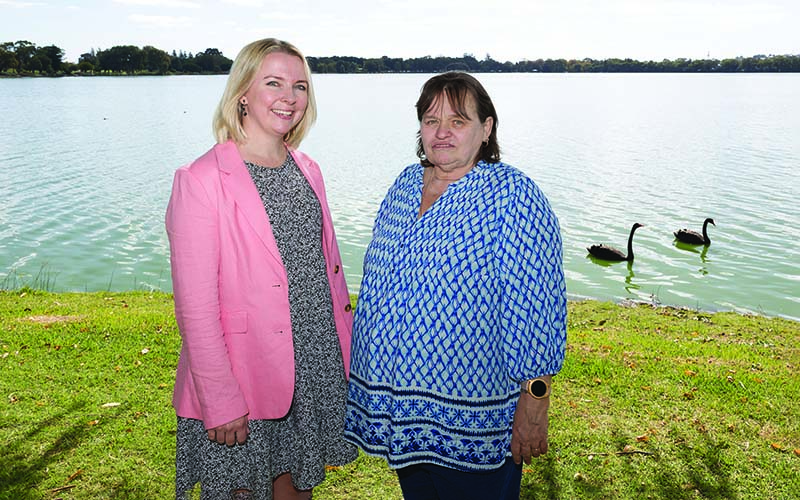
In Aboriginal culture, water is life, holding powerful spiritual and cultural significance and acting as a vital source of connection, food and medicine.
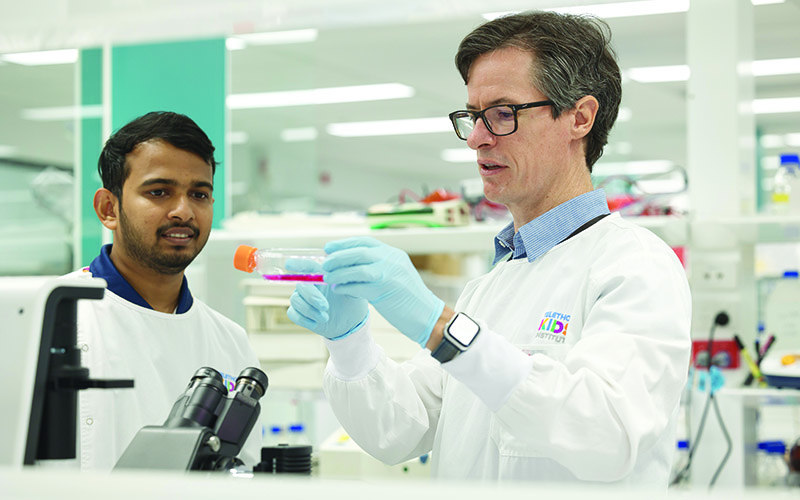
Although a staple of modern medicine, the benefits of antibiotics are waning thanks to overuse and the increasing ability of bacteria to dodge them – known as antimicrobial resistance (AMR).
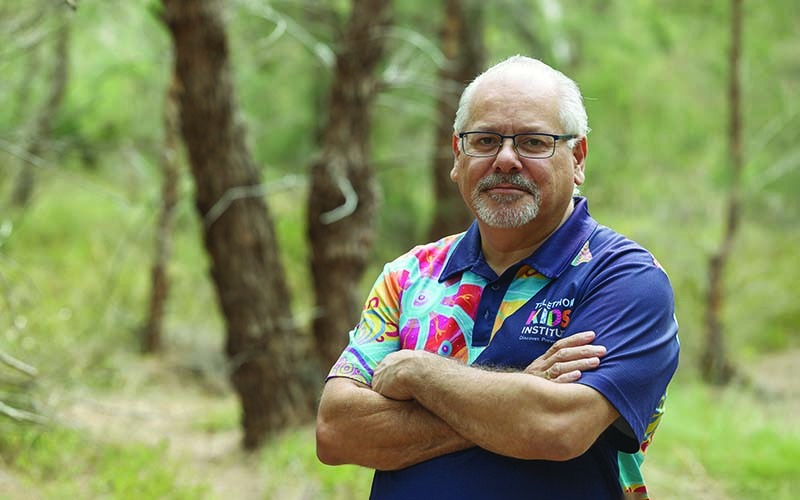
The Kids Research Institute Australia has been among a growing number of voices passionately advocating for an overhaul of the way young people in detention are managed in Western Australia.
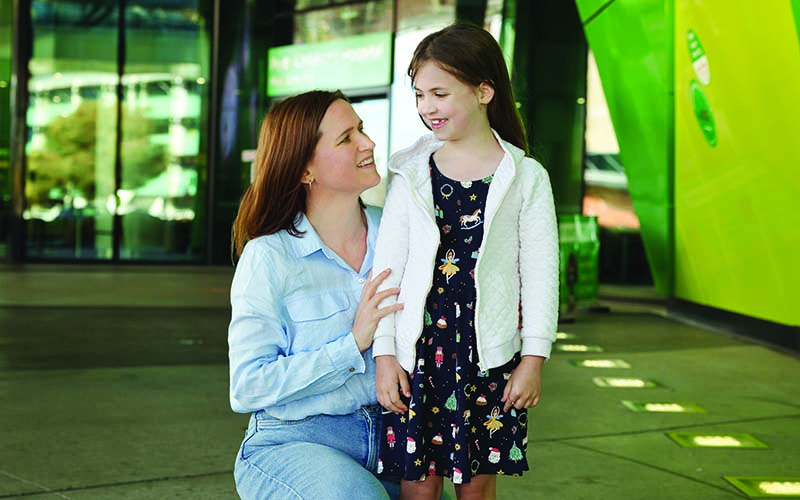
In late 2022, six-year-old Megan Hutton was living the dream of many kids her age as she celebrated being named runner-up champion athlete at her school sports carnival.
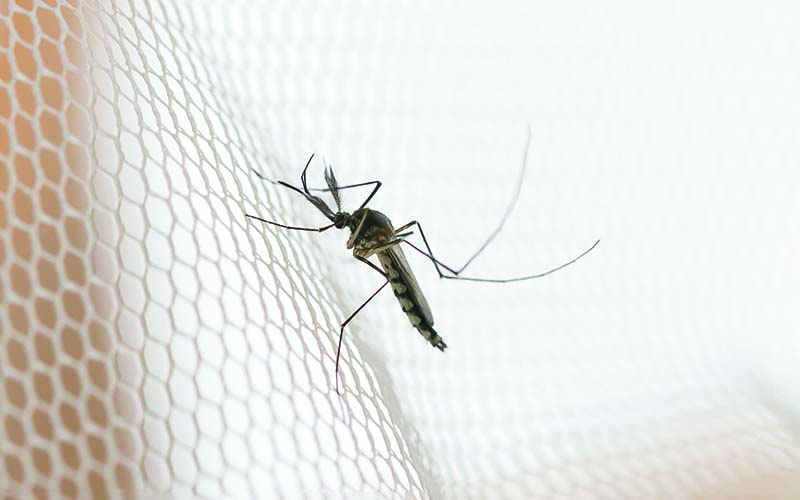
Global efforts led by The Kids Research Institute Australia’s Child Health Analytics program will see nations impacted by high rates of malaria empowered to develop their own controls and solutions.