
Search
In about half of all patients with a suspected monogenic disease, genomic investigations fail to identify the diagnosis. A contributing factor is the difficulty with repetitive regions of the genome, such as those generated by segmental duplications. The ATAD3 locus is one such region, in which recessive deletions and dominant duplications have recently been reported to cause lethal perinatal mitochondrial diseases characterized by pontocerebellar hypoplasia or cardiomyopathy, respectively.
Cells of the skin and circulation are in constant two-way communication. Following exposure of humans to sunlight or to phototherapy, there are alterations in the number, phenotype and function of circulating blood cells.
Preterm infants are particularly susceptible to bacterial late-onset sepsis (LOS). Diagnosis by blood culture and inflammatory markers have sub-optimal sensitivity and specificity and prolonged reporting times. There is an urgent need for more rapid, accurate adjunctive diagnostics in LOS to improve management and minimise antibiotic exposure.
Otitis media (OM; middle ear infection) is the most common reason for pre-school children to visit a doctor, be prescribed antimicrobials, or undergo surgery. Recent Cochrane reviews of clinical trials have identified that antibiotics and grommet surgery are only moderately effective in treating OM, with recurrent or persistent infection observed in one-third of children. Research efforts are focusing on developing improved therapies to treat OM and prevent disease recurrence.
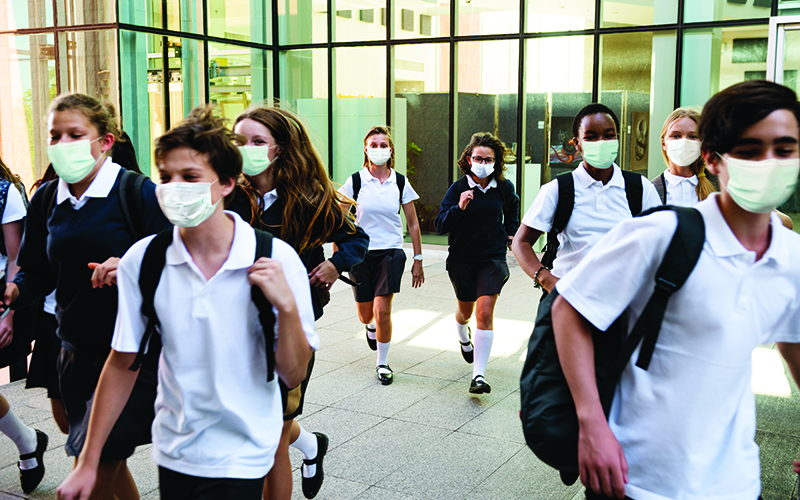
Researchers went into 79 WA primary and secondary schools in 2020 and found increased levels of emotional distress among students and families.
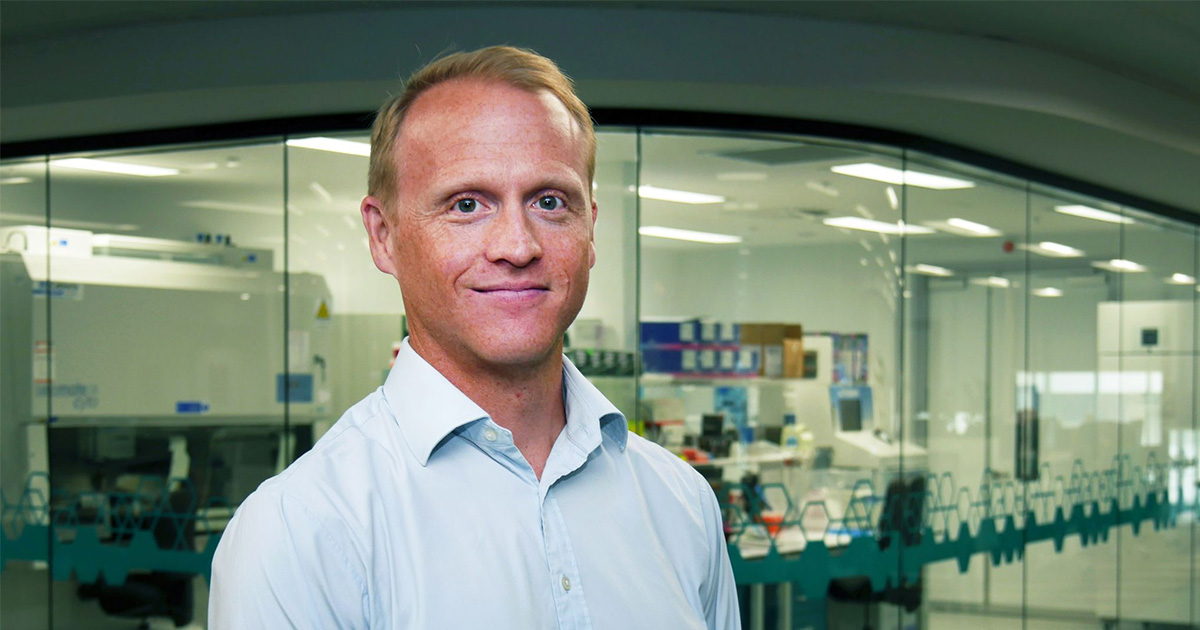
Nearly 170 years ago a British doctor applied geospatial mapping to identify the source of a cholera outbreak in central London. Using a street map to plot the location of the homes of the sick, Dr John Snow was able to pinpoint a ‘ground zero’ for the outbreak – a contaminated water pump.

Researchers from The Kids Research Institute Australia and Curtin University are excited to be part of a new US$30 million global project to fight malaria.
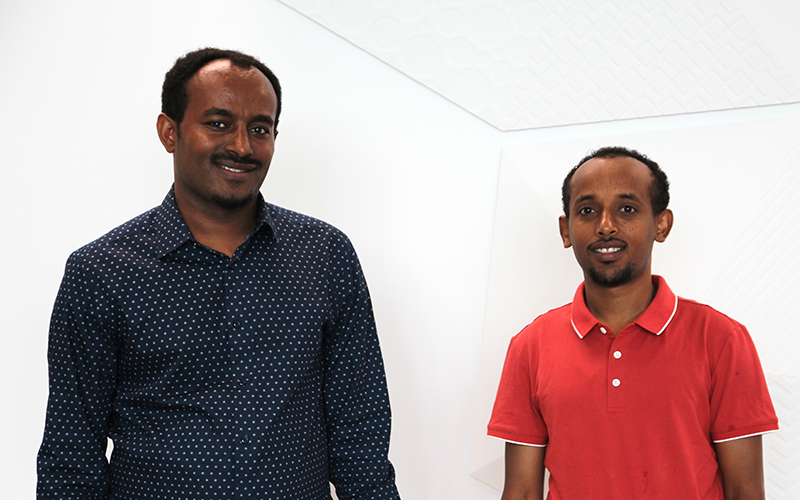
New research highlights the long-term physical health problems faced by people who survive drug-resistant tuberculosis (TB) .
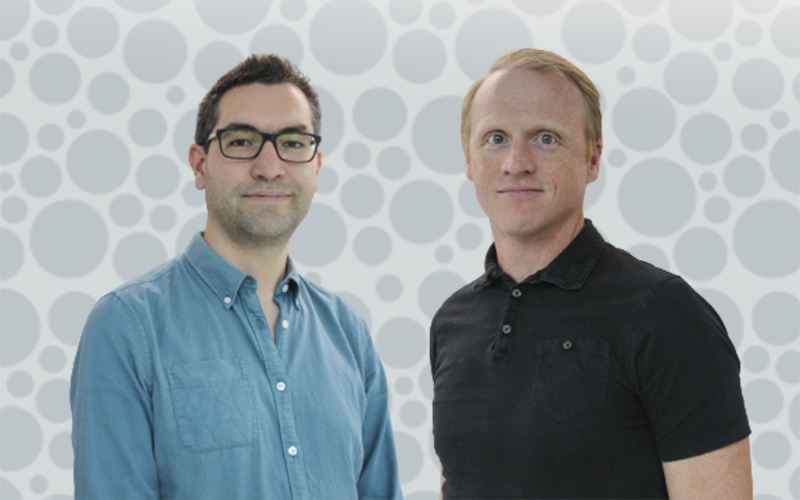
Two researchers working across The Kids Research Institute Australia and Curtin University have been named among the world’s most highly cited scientists.
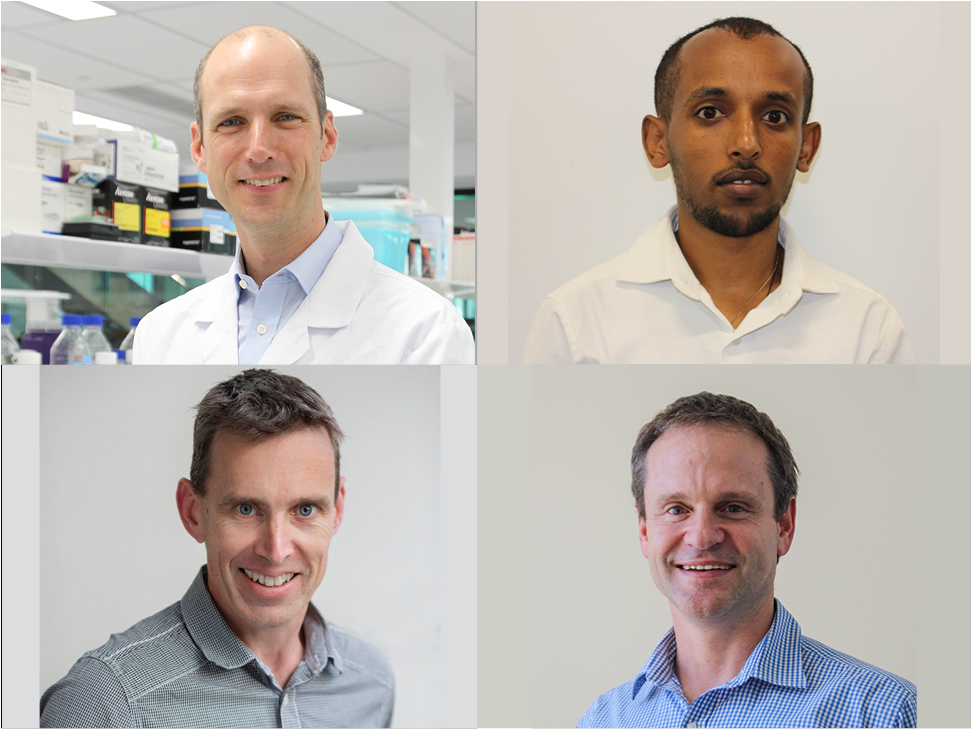
Researchers at The Kids Research Institute Australia have been awarded $4.6 million in national funding from the National Health and Medical Research Council (NHMRC) and Medical Research Future Fund (MRFF) to help support child health research.